Smart Bathroom Upgrades
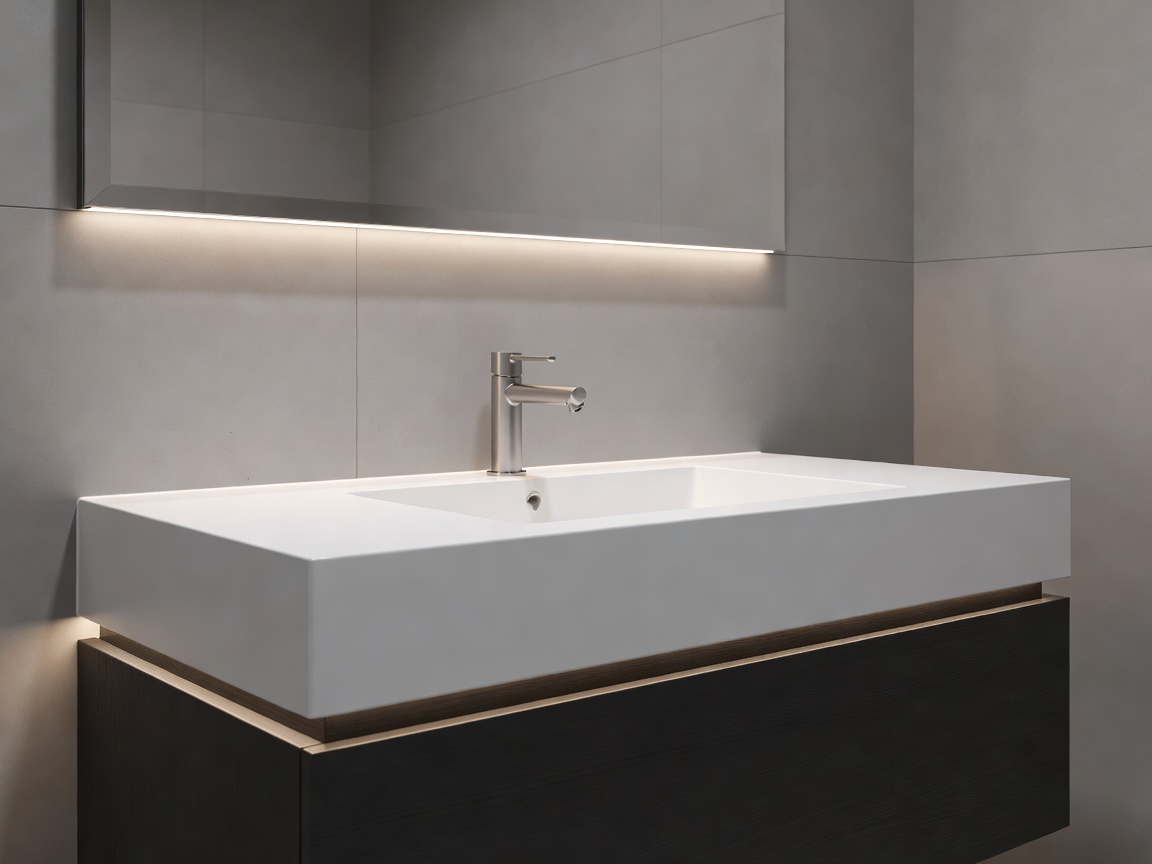
Bathroom renovations require meticulous attention to detail because the environment is constantly subjected to high moisture levels and daily use. A successful bathroom upgrade prioritizes functional infrastructure—like plumbing and waterproofing—just as much as the aesthetic finish. Here is what to consider when planning modern bathroom improvements.
The Importance of Waterproofing
Before any tile is laid, the underlying structure must be entirely protected against water intrusion. Traditional drywall is inadequate for wet zones. Cement board or specialized foam tile backer boards should be utilized in shower surrounds, accompanied by a continuous liquid or sheet waterproofing membrane. Failing to establish a fully watertight envelope behind the tile will inevitably lead to mold growth and structural rot, compromising the entire renovation.
Walk-in Showers vs. Tubs
A prominent trend in contemporary bathroom design is the removal of large, unused soaking tubs in favor of expansive walk-in showers. While this often creates a more accessible and visually open space, it is important to consider the home’s overall layout. Retaining at least one bathtub in the house is generally recommended for families with young children or for maintaining general property marketability.
If opting for a walk-in shower, curbless designs (where the bathroom floor flows seamlessly into the shower pan) offer a sleek, modern look and excellent accessibility, though they require careful floor joist modification to achieve the necessary drainage slope.
Ventilation Requirements
Inadequate ventilation is a primary cause of premature deterioration in bathrooms. A high-quality exhaust fan should be sized appropriately for the room’s square footage (measured in Cubic Feet per Minute, or CFM). To ensure consistent use, fans can be wired to motion sensors or humidity-sensing switches that activate automatically when moisture levels rise, running until the room is dry.
Fixture and Hardware Selection
Selecting plumbing fixtures involves balancing water efficiency with performance. Look for fixtures carrying efficiency certifications, which designate lower flow rates without sacrificing pressure.
Finishes to Consider
- Polished Chrome: Highly durable and easily matches existing hardware, though it readily shows water spots.
- Brushed Nickel: A warmer tone that hides fingerprints and watermarks effectively, making it ideal for high-use family bathrooms.
- Matte Black: Offers a striking, modern contrast, though it can be susceptible to scratching and hard water mineral deposits over time.
Lighting and Electrical Layout
Bathrooms require bright, shadow-free lighting for grooming, alongside softer options for relaxation. Sconces mounted at eye level on either side of the mirror eliminate the harsh downward shadows created by ceiling-only lighting. Additionally, ensure all electrical outlets are Ground Fault Circuit Interrupter (GFCI) protected to prevent electrical hazards in wet environments.