Hardwood vs. Luxury Vinyl Flooring
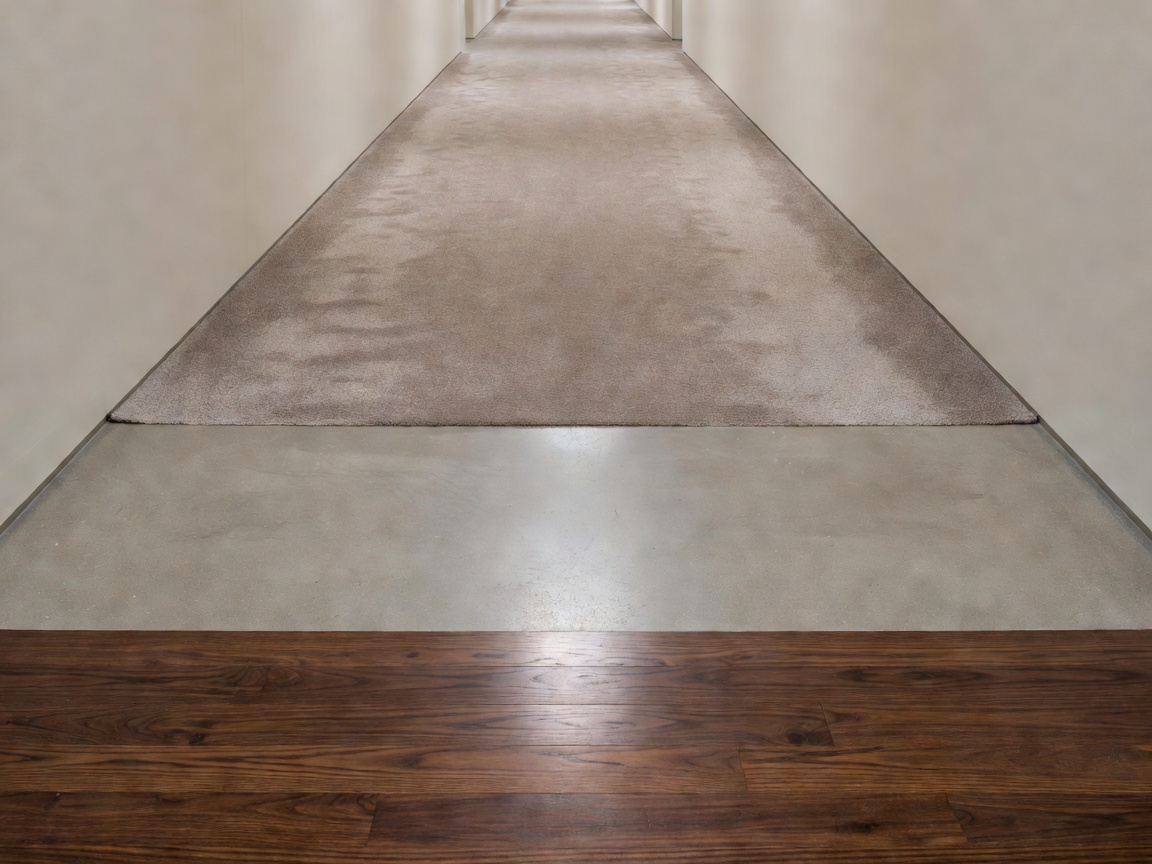
Choosing the right flooring impacts the visual flow, acoustic properties, and maintenance routine of your home. Currently, two of the most popular hard-surface options dominating the residential market are solid Hardwood and Luxury Vinyl Plank (LVP). Understanding their distinct characteristics is key to selecting a material that suits your lifestyle and budget.
Solid Hardwood Flooring
Solid hardwood consists of planks milled from a single piece of timber. Traditional options include oak, maple, and hickory, known for their timeless appeal and structural longevity.
Advantages of Hardwood
- Longevity and Refinishing: Because it is solid wood throughout, it can be sanded down and refinished multiple times over its lifespan to remove scratches or change the stain color.
- Value Addition: Hardwood is generally perceived as a premium material and can positively influence a property’s resale value.
- Authentic Aesthetics: The natural variation in grain and color provides a unique warmth that synthetic products attempt to emulate.
Considerations for Hardwood
Wood is hydroscopic, meaning it absorbs and releases moisture depending on environmental humidity. This can lead to expansion, contraction, and potential warping if exposed to significant water spills or if installed below grade (e.g., in basements). It is also susceptible to denting from heavy impacts and scratching from pet claws.
Luxury Vinyl Plank (LVP)
Luxury Vinyl Plank is a synthetic flooring product constructed in layers, featuring a rigid core, a high-definition photographic print layer mimicking wood or stone, and a clear protective wear layer on top.
Advantages of LVP
- Water Resistance: High-quality LVP is impervious to water, making it suitable for kitchens, bathrooms, laundry rooms, and basements where hardwood would be risky.
- Durability: The top wear layer is highly resistant to scratches, scuffs, and stains, accommodating high-traffic households with pets and children.
- Installation Ease: LVP often utilizes a "click-and-lock" floating installation method, meaning it does not need to be glued or nailed to the subfloor, reducing labor time.
Considerations for LVP
Unlike hardwood, once LVP is heavily damaged or worn through its protective layer, it cannot be sanded or refinished; the damaged plank must be entirely replaced. Additionally, while high-end prints are highly realistic, LVP does not possess the exact acoustic properties or underfoot feel of natural solid wood.
Making the Decision
If your primary concerns are moisture resistance, budget-friendly durability, and easy maintenance—particularly in wet zones—Luxury Vinyl Plank is a superior choice. However, if you are investing in long-term property value in living rooms or bedrooms and appreciate the character of natural materials, solid Hardwood remains an unparalleled option.