Energy Efficient Window Replacement
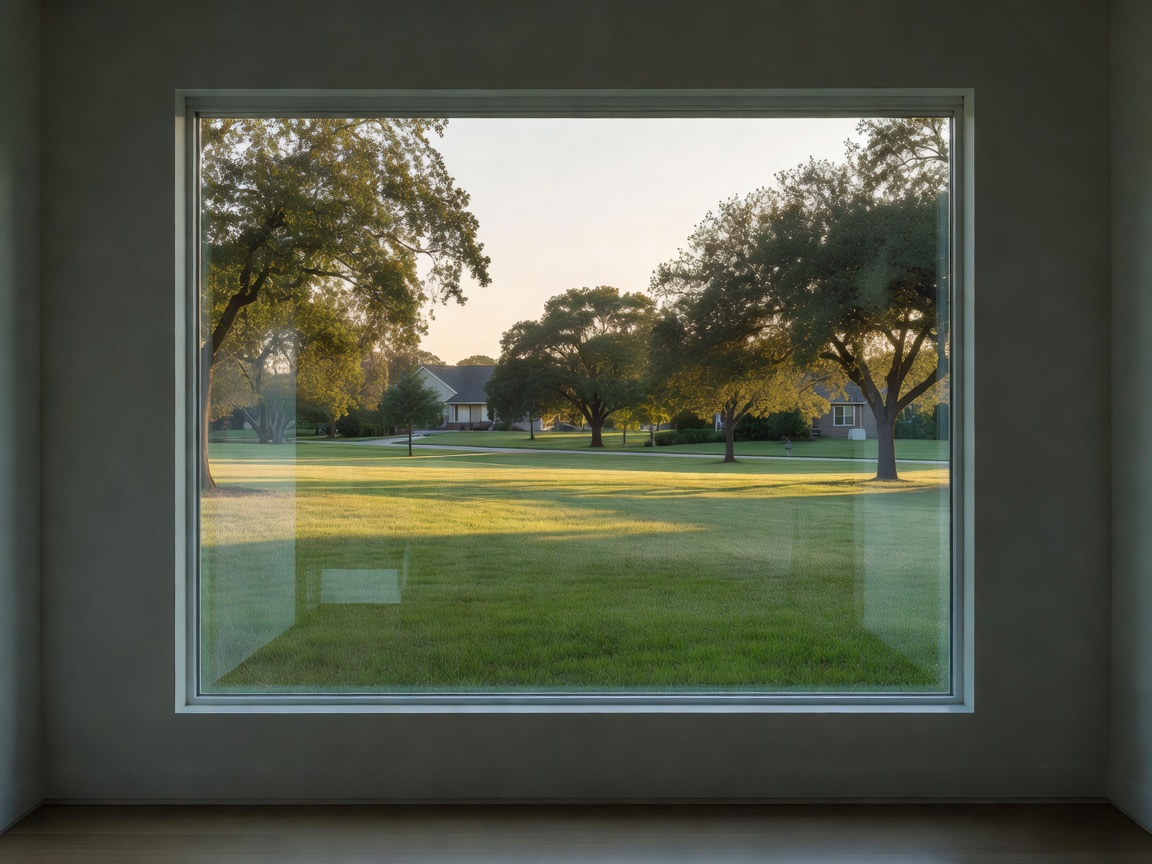
Replacing old, drafty windows is one of the most effective ways to improve a home's thermal comfort and reduce HVAC expenditure. However, the window market is filled with technical jargon. Understanding the key metrics and materials will empower you to select the right product for your climate zone.
Decoding Window Performance Metrics
When comparing modern windows, rely on standardized performance ratings rather than marketing terms. The two most critical ratings to evaluate are:
- U-Factor: Measures the window's resistance to heat loss. A lower U-factor indicates better insulation. In colder climates, a low U-factor is paramount.
- Solar Heat Gain Coefficient (SHGC): Measures how much radiant heat from the sun passes through the glass. A lower SHGC means less heat enters the home, which is crucial for cooling-dominated, hotter climates.
| Climate Type | Ideal U-Factor | Ideal SHGC |
|---|---|---|
| Northern / Cold | Lower (Focus on insulation) | Higher (Allow winter sun in) |
| Southern / Hot | Moderate | Lower (Block summer sun) |
| Mixed Climate | Lower | Moderate to Low |
Glazing Technologies
The glass pane setup (glazing) is central to window performance. Single-pane windows are effectively obsolete in modern construction due to their poor insulative properties.
Double vs. Triple Pane
Double-pane windows feature two sheets of glass separated by a spacer, creating a sealed cavity. To improve insulation, this cavity is often filled with an inert, dense gas such as Argon or Krypton, which slows the transfer of heat. Triple-pane windows add a third layer of glass and a second gas-filled cavity, offering superior thermal and acoustic insulation. While triple-pane units carry a higher upfront cost and heavier weight, they are highly beneficial in extreme climates or noisy environments.
Low-E Coatings
Low-Emissivity (Low-E) coatings are microscopically thin metallic layers applied to the glass. These coatings reflect infrared heat while allowing visible light to pass through. During winter, they reflect interior heat back into the room; during summer, they reflect exterior solar heat away from the home.
Frame Materials
The material comprising the window frame also affects the overall U-factor and maintenance requirements.
- Vinyl: Highly cost-effective, offers good insulation (especially if the hollow chambers are foam-filled), and requires virtually no maintenance. However, color options can be limited.
- Wood: Provides excellent natural insulation and a classic aesthetic. It requires regular maintenance (painting or sealing) to prevent rot, though many wood windows now feature an exterior cladding of aluminum or vinyl for protection.
- Fiberglass: Extremely strong and thermally stable, expanding and contracting at the same rate as the glass itself, which reduces stress on the seals. It can be painted and mimics the look of wood effectively, though it sits at a higher price point.
Proper installation is just as critical as the window specifications. Even the most advanced, highly-rated window will fail to perform if it is poorly flashed and air-sealed within the rough opening.